Prioritize accessible brushes, a sensible cleaning schedule and a dock you can maintain. Obstacle recognition is not a reason to leave pet accidents on the floor.
Manufacturer information informs the product details; the buying analysis is our own. This is not a hands-on test.Separate the three jobs hiding inside “pet hair”
Loose hair on a hard floor, hair worked into a rug and hair wrapped around a brush are different problems. A single suction number cannot describe all three. Start by noting where the mess actually collects: beside a bed, around a feeding station or along the edge of a favourite sofa. This gives you a cleaning brief that is more useful than searching for a universal pet model.
A household with two short-haired cats and mostly tile may need frequent light runs. A long-haired dog on dense rugs presents a different job, with more brush inspection and occasional conventional vacuuming. The practical question is not whether automation replaces every other tool. It is whether it removes enough repetitive work to earn its place in your routine.
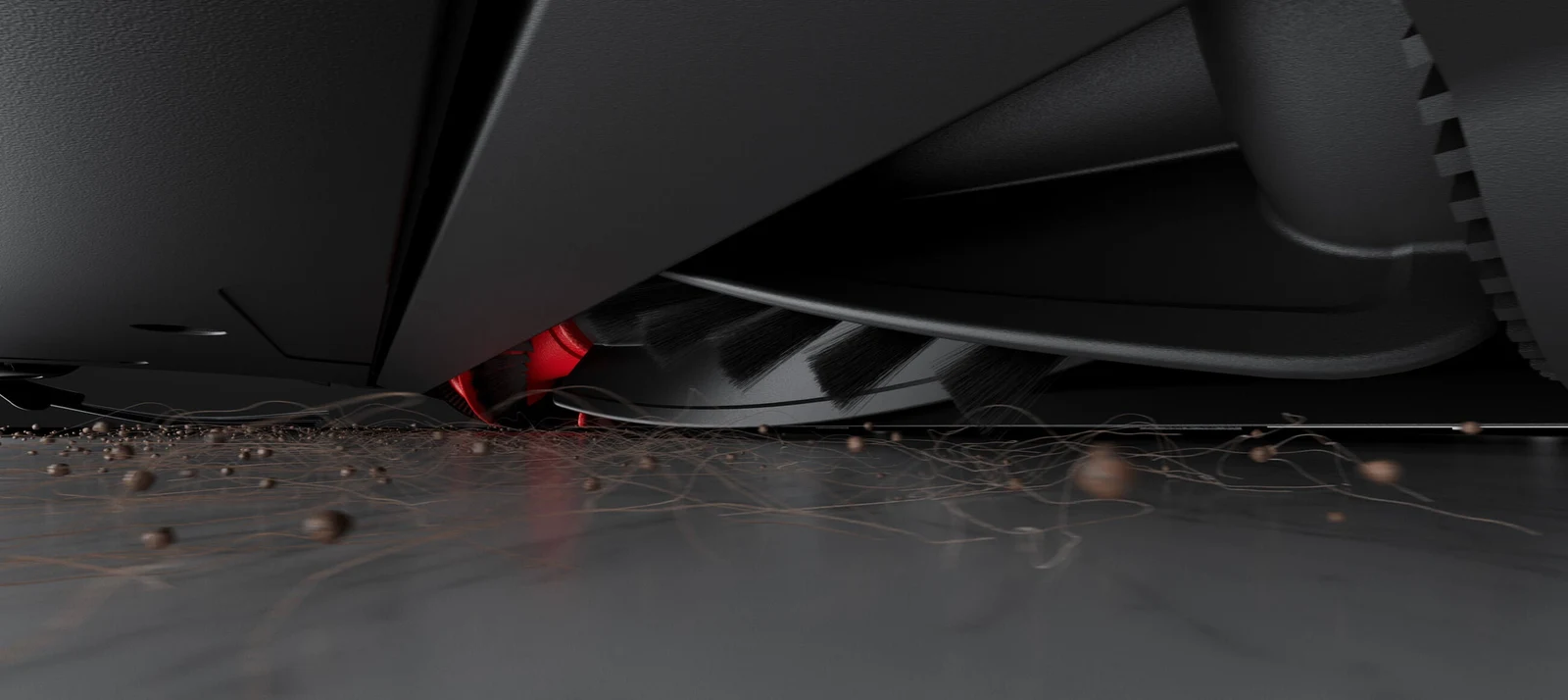
Roborock describes an anti-tangle brush system on the Saros 10R. That makes the brush design worth investigating, but it does not establish that your particular pet hair will never collect anywhere. Check how the main brush, side brush and wheel areas are accessed. Being able to remove trapped debris easily matters after the novelty of the purchase wears off.
Put the schedule around the animal, not the advertisement
Choose a first cleaning window when you can observe how your pet reacts. Some animals ignore a moving appliance; others need time to become comfortable. Avoid forcing an interaction or treating a camera view as a substitute for supervision. A successful routine should be predictable for the household rather than simply set to the earliest possible time.
Walk the route before a run. Move toys with strings, loose charging cables and lightweight bowls that could be pushed around. Keep a feeding area separate if the robot regularly disrupts it. A restricted zone can be a better answer than repeatedly hoping a navigation system will interpret an untidy corner exactly as you intended.
Do not send a robot over a pet accident. Stop cleaning and handle the contaminated area appropriately before using the appliance again. Recognition features have conditions and limitations, and a missed object could spread a mess. A brief floor check is inexpensive compared with cleaning a robot, its wheels and multiple rooms after a preventable incident.
The dock is where the time saving is won or lost
An automatic emptying station moves debris to another container; it does not make debris disappear. Consider where you will change the bag and whether opening the compartment is comfortable. If you are sensitive to dust, follow the manufacturer instructions carefully and consider the handling process rather than assuming a sealed-looking photograph proves a health benefit.
Wet-cleaning systems introduce another maintenance loop. Dirty water, mop surfaces and dock trays need the care described in the manual. A home with frequent shedding can put a substantial load on the system, so inspect it more often while learning your schedule. Adjust based on visible buildup, not a fixed interval copied from somebody else’s home.
Make a small storage space for the consumables that match the exact model. A spare bag and the correct replacement brush are less glamorous than a feature list, but can prevent a routine from stopping for a week. Compare local availability and compatibility before purchase; accessories for a similar series are not automatically interchangeable.
A useful first-week experiment
Start with one high-shedding room and a simple dry-cleaning schedule. Check the floor afterwards and inspect the brush before expanding to the whole home. If one rug still needs attention, decide whether an additional pass helps or whether that rug remains a job for another tool. This is an evaluation you can actually repeat.
Keep a short note of interventions: moved toy, tangled cable, full bag, inaccessible corner. After several runs, you will see whether the problem is the product choice, the room arrangement or the timing. Solving the repeated interruption is more valuable than changing every app setting at once and losing track of what helped.
Choose a robot when it makes normal shedding easier to manage. Keep another cleaning method for stairs, upholstery, deep rug cleaning and unusual messes. That is not a failure of automation; it is a realistic division of labour. A dependable helper is a better purchase than a promise that no home can consistently support.